Clinical excellence in dysphagia support: Why best practice matters

Dysphagia, the difficulty or inability to swallow, is one of the highest clinical risk areas for people with disability, and one that demands proactive complex supports.
This is why our dysphagia training is not optional for our staff. It is essential to clinical safety, NDIS Practice Standards compliance, and participant wellbeing.
This article outlines what dysphagia looks like, why it is so dangerous when missed or poorly managed, and how strong clinical practice at every mealtime can prevent harm.

What are the risks of dysphagia?
Dysphagia involves difficulty chewing, drinking, closing the lips, or swallowing safely. For some, it is painful; for others, it may be impossible without professional support. Without best-practice intervention, the risks include aspiration pneumonia, dehydration, malnutrition, and medical emergencies.
Dysphagia signs and symptoms
The most common signs of dysphagia include:
- Trouble chewing food
- Coughing or choking when eating or drinking
- Wet or raspy voice during or after eating
- Food or drink leaking from the mouth
- Food stored in the mouth or cheeks
- Malnutrition/weight loss
- Chest infections or persistent pneumonia
Dysphagia and disability
Dysphagia affects up to 50% of people with a disability, especially those with neurological conditions, intellectual disability, cerebral palsy, or age-related decline. National reviews consistently show choking is a leading cause of preventable death for people with disability, with over 60% of choking incidents occurring during everyday meals. This is often due to incorrect textures, rushed mealtimes, or insufficient staff training.
The NDIS Quality and Safeguards Commission continues to identify mealtime management failures as a major contributor to reportable incidents and avoidable hospitalisations.

How we deliver safe, high‑quality dysphagia care
1. Early recognition saves lives
Our teams learn to understand the normal swallow reflex and detect early warning signs such as coughing, gagging, wet-sounding breathing, or difficulty chewing – enabling timely escalation and clinical intervention.
2. Evidence-based techniques at every meal
We embed clinical best practice at every meal:
- Correct posture and positioning
- Safe pacing to avoid overload
- Tailored feeding strategies
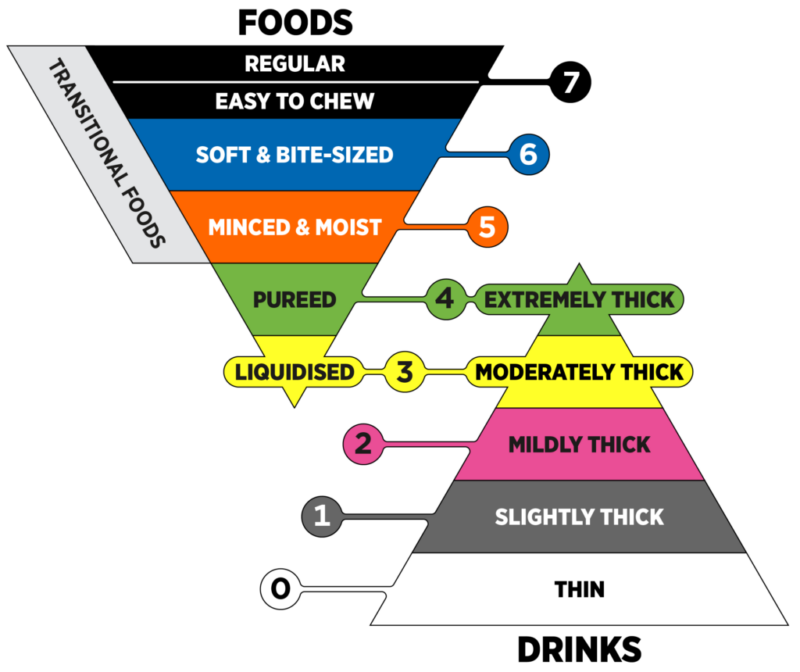
- Accurate implementation of IDDSI texture and fluid guidelines
The International Dysphagia Diet Standardisation Initiative (IDDSI) is a globally recognised framework that standardises food textures and drink thickness levels for people with dysphagia. It uses 8 levels, with liquids (0–4) through to solid foods (3–7). It is a critical protective factor ensuring safe swallowing and consistent care for people with dysphagia.
3. Strong clinical risk management
With dysphagia, food or drink can go into the lungs instead of the stomach (aspiration), and preventing this takes informed, consistent care. Our support workers are trained to document clearly, escalate concerns early, and follow established pathways consistent with NDIS Safety and Mealtime Management Standards. All training compliance is tracked through a dedicated Learning Management System (LMS), guaranteeing that every team member stays current with required standards and updates.
4. Person-centred mealtime support
Even within strict safety frameworks, dignity and choice matter. We incorporate cultural, sensory, and emotional needs while ensuring safety remains uncompromised. Our work is strengthened through collaboration with speech pathologists, nurses, dietitians, and behavioural clinicians.
Raising the bar in complex care
For Ability Plus, dysphagia training is life-protecting, risk-reducing, and compliance-critical. By applying clinical excellence at each mealtime, we support safer living, better health outcomes, and the highest standards of disability care for our clients across Melbourne.